
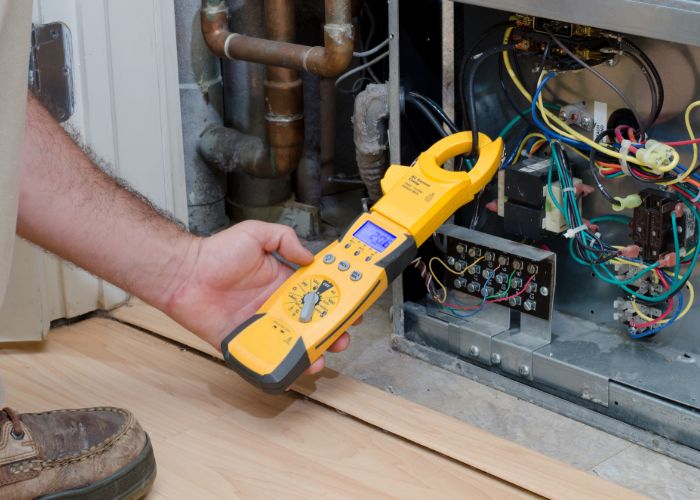
Home heating can vary from gas production to electric power, each method suited for specific local conditions. Some systems rely on burning fuel, while others focus on electrical resistance. Warm air distribution occurs through ducts that pass around an enclosed space, providing comfort in cold weather. An older gas furnace might lose effectiveness with time, prompting a switch to a more energy efficient unit. Evaluating furnace reviews helps homeowners pick a design that maintains steady temperatures and meets individual preferences.
Curious about different types of furnace? Gas, electric, oil, and propane offer unique ways to create heat in an enclosed space. Factor in local climate, safety checks, and potential repairs for stable performance. Follow advice carefully.
Families often compare furnace reviews to identify the best size furnace for their household. Many older gas furnaces perform poorly when overdue for maintenance, and a new furnace may drastically reduce monthly bills. Various types of furnace choices, including natural gas furnaces and electric furnaces, highlight unique advantages in different regions. A careful furnace comparison clarifies which system aligns with budget, environmental concerns, and daily comfort. Weighing these options leads to informed decisions about fueling methods, operational costs, and heat output.
Heating systems follow a core principle: draw in cooler air, warm it via a heating component, then circulate the heated air through ducts. Parts such as the blower motor and burners (or electric coils) operate in tandem to maintain desired indoor conditions. When a thermostat signals that temperatures have fallen, the heating system jumps into action until warmth levels stabilize.

Gas and oil furnaces rely on combustion, where burning fuel produces heat that transfers through a heat exchanger. Electric furnaces avoid open flames, using heated coils to generate warmth. Both types push warm air through vents for uniform coverage. Gas models often heat faster but can pose risks if neglected. Electric systems skip fumes, though electricity costs sometimes climb in regions with steep rates.
A traditional furnace includes a heat exchanger, burner or heating elements, a blower assembly, and safety mechanisms. The heat exchanger keeps harmful gases separate from the air circulated inside. Fan switches initiate or halt airflow based on temperature settings. Old pilot lights have been phased out in many designs, replaced by electronic ignition for consistency. Regular inspections protect families from hazards such as carbon monoxide, particularly in older units.
Many homeowners consider multiple types of furnace before settling on a particular setup. Gas, electric, oil, and propane each offer unique advantages tied to local fuel availability and climate realities. Some areas have abundant natural gas infrastructure, making gas furnaces an appealing choice. Rural locations often depend on propane or oil for reliable comfort. Electric options suit milder climates or regions where power rates remain manageable.

Burning natural gas can deliver quick, powerful warmth in cold weather. These systems often achieve high efficiency ratings and keep monthly bills in check when gas remains affordable. Technological improvements reduce carbon monoxide risks, though annual upkeep is essential. Switching from an older gas furnace to a modern alternative could save money over time.
Electric models skip direct combustion, preventing indoor fumes. They are easier to install where no gas lines exist, and they reduce concerns around leak detection. The tradeoff is higher energy usage if electricity prices soar, especially in colder climates. Many like the simpler design and quieter operation, finding that it meets moderate heating needs effectively.
Oil-based designs remain a staple in regions with limited access to natural gas. Storage tanks permit self-contained fuel reserves, ensuring a steady supply during winter. Oil can generate substantial warmth, though regular tank checks and filter changes are mandatory to preserve efficiency. Fluctuating fuel costs sometimes create budgeting hurdles, yet owners can shop around for favorable oil prices.
Propane systems resemble gas furnaces but rely on delivered liquid propane stored in an on-site tank. This alternative suits areas lacking utility lines or consistent electricity. A propane furnace can heat quickly and handle cold climates, though maintenance must address tank integrity and potential gas delivery scheduling. Carbon monoxide threats still exist if vents or heat exchangers fail, so annual servicing remains prudent.
Selecting a new furnace is easier when owners explore multiple options side by side. Every fuel source holds distinct pros and cons, and local climate factors heavily into the final decision. Look through furnace reviews and weigh features carefully.

Efficiency rating, upfront cost, and long-term utility bills matter. A cheaper traditional furnace might lack modern safety features or last fewer years. On the flip side, a pricier, energy efficient design could pay off in lower monthly usage.
Homeowners seeking quick solutions often favor a lower priced unit to minimize immediate spending. Others opt for more advanced systems, prioritizing air conditioning synergy or quieter operation. The right furnace hinges on personal finances, comfort demands, and home size.
Selecting a furnace involves balancing several factors, from home size to upfront cost. A single-story home may require a smaller capacity, while multi-floor residences might need a stronger heating system. Budget constraints shape what homeowners can afford, although an initially cheaper unit with low efficiency could raise monthly bills over time.

Severe winters demand powerful equipment capable of sustaining warmth for extended periods. Natural gas lines, propane delivery services, and electricity reliability each influence furnace feasibility. Oil availability also matters if that route is chosen. Evaluating utility rates and potential price spikes ensures that the chosen furnace aligns with financial realities.
A system’s efficiency rating indicates how much usable heat is generated per unit of fuel consumed. Higher efficiency typically lowers emissions and monthly costs. Some individuals search for greener alternatives, favoring electric models or newer high-efficiency gas furnaces. Others rely on standard systems because local infrastructure supports affordable fueling. Balance immediate affordability against possible long-term gains to avoid regret.
Regular maintenance can extend furnace life while safeguarding occupants. Dust and debris restrict airflow and increase stress on the heat exchanger. Changing filters every few months helps keep warm air circulating freely. Checking burners or heating coils for corrosion or blockages ensures peak performance. Even a small fix can avert a complete breakdown during cold spells.
Professional tune-ups uncover worn parts, malfunctioning ignition controls, or carbon monoxide leaks. Technicians test safety mechanisms, lubricate moving components, and verify fan switches. Upgrading a weak blower motor can increase comfort. Catching issues early reduces repair bills and prevents sweltering or freezing indoor conditions when the temperature outside shifts dramatically.
Ventilation paths must remain open, avoiding furniture or clutter that can trap heated air. Duct systems sometimes develop leaks or cracks, allowing warmth to escape before it reaches living areas. Regularly cleaning registers and ensuring the fan belt is aligned can preserve smooth airflow. Simple housekeeping measures, such as vacuuming vents, encourage healthier indoor air quality.
Professionals bring deep familiarity with furnace designs, from older gas furnaces to cutting-edge electric setups. Their training covers combustion processes, refrigerant lines (if a heat pump is involved), and the intricacies of system sizing. Expertise helps detect creeping problems, such as cracked heat exchangers or loose connections. Fixing these issues early may sidestep future hazards and guarantee consistent output.

Warwick HVAC Experts guide homeowners through every stage of selecting, installing, or repairing a furnace. We offer informed comparisons of the many types of furnace in today’s market, matching heating systems to the home’s unique demands. Detailed inspections locate inefficiencies, while targeted repairs restore proper functionality. Our knowledge extends to ductwork optimization and safety checks. Working with experienced technicians fosters a hassle-free experience, maximizing comfort in cold months.
A home’s heating setup influences everyday comfort, energy bills, and overall safety. People often consult furnace reviews before committing to a particular system, whether it runs on natural gas, electricity, oil, or propane. Many discover that certain designs are perfect for cold climates, while others thrive in milder weather. By focusing on affordability, efficiency, and practical installation, the best furnace stands out for each situation. Reach out to Warwick HVAC Experts to learn which types of furnace would deliver the performance your family deserves.
